This post was originally published here.
The Walther PPK/s has a rich history, including capturing the hearts of moviegoers worldwide through the James Bond franchise. Although James Bond made it famous, the pistol was already popular with military and law enforcement since the PP series was released in 1929. I will take a deep dive into the history of the Walther PPK/s and compare various models, including the latest threaded barrel model.
The History of the Walther PPK/s
Though not my first exposure to firearms, I was raised on televised re-broadcasts of Sean Connery’s James Bond movies and the weapons featured therein. I later caught each of the Roger Moore James Bond films in the theaters. Thus, the first specific gun I was fascinated with was the Walther PPK.
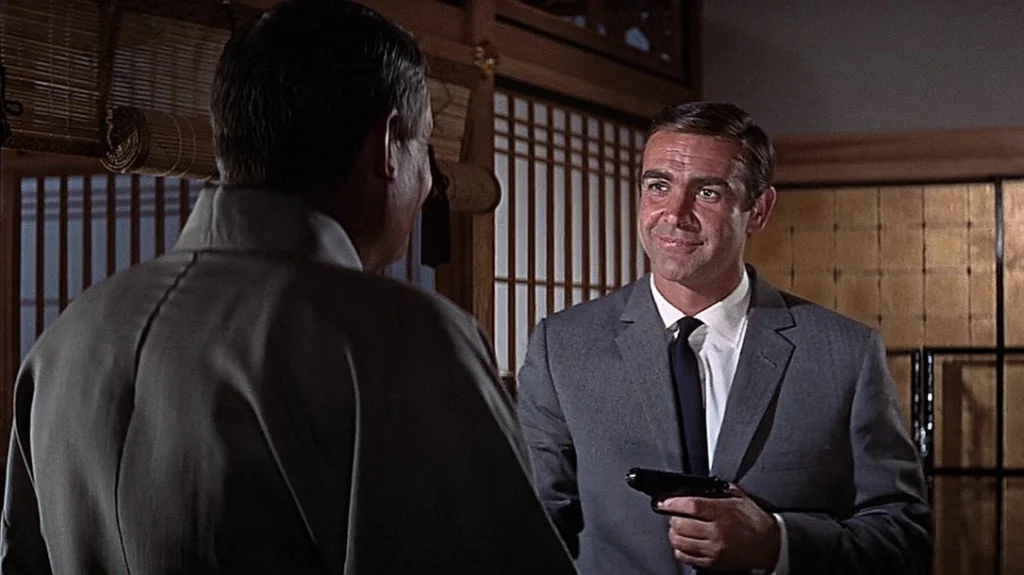
No one was surprised when one of my first gun purchases was an Interarms-produced Walther PPK/S. The version of the PPK generally available in the United States was the PPK/S. I bought this PPK/S in the late 1980’s, and it became my first regular concealed carry handgun.
Although I no longer utilize a Walther PPK/S for self-defense, I am still a lifelong fan of James Bond (books, movies, and comic strips) and have a deep love for the simple elegance of the Walther PPK.
Walther PP Production Series
The Walther PP (Polizeipistole: Police Pistol) series was first introduced in 1929 and served throughout Europe and the United States. Slightly smaller (in barrel length, slide, and grip), the PPK (Polizeipistole Krimina: Police Pistol Criminal) was released in 1931 as a more concealable version of the PP.
The PPK saw wide use in both policing and civilian markets as well as service within various militaries. By the 1960’s, the civilian markets dominated most PPK sales. However, this was curtailed in the United States by the Gun Control Act of 1968. Among other things, this legislation created a points system for imported firearms based on size and weight.
When the new law was applied to the Walther PPK, it was one point under what was required by the Act to be sold in the U.S.
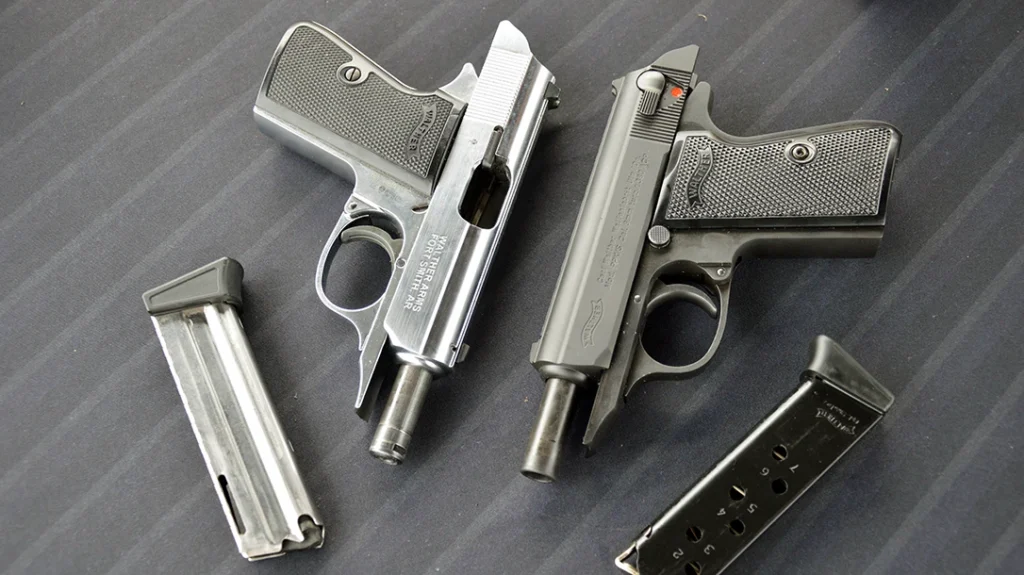
Walther’s answer was to pair the slightly heavier and larger PP frame with the shorter PPK barrel and slide. This resulted in the Walther PPK/S, which was slightly taller and heavier than the original PPK. Specifically, the Walther PPK/S is slightly taller (4.1” versus 3.9”) and heavier (23.9 oz versus 22.9 oz) than the original Walther PPK.
The PPK/S also features one additional round of ammunition in both the .32 and .380 chamberings. These PPK/S destined for the U.S. market were initially made in France (by Manurhin) from approximately 1968-1980.
Starting in 1980 and continuing until approximately 1999, Ranger, through Interarms, produced the Walther PPK/S for the U.S. market. Starting in early 2000 until 2012, Smith & Wesson produced the Walther PPK/S. The Smith & Wesson version included an extended beaver tail to reduce slide bite.
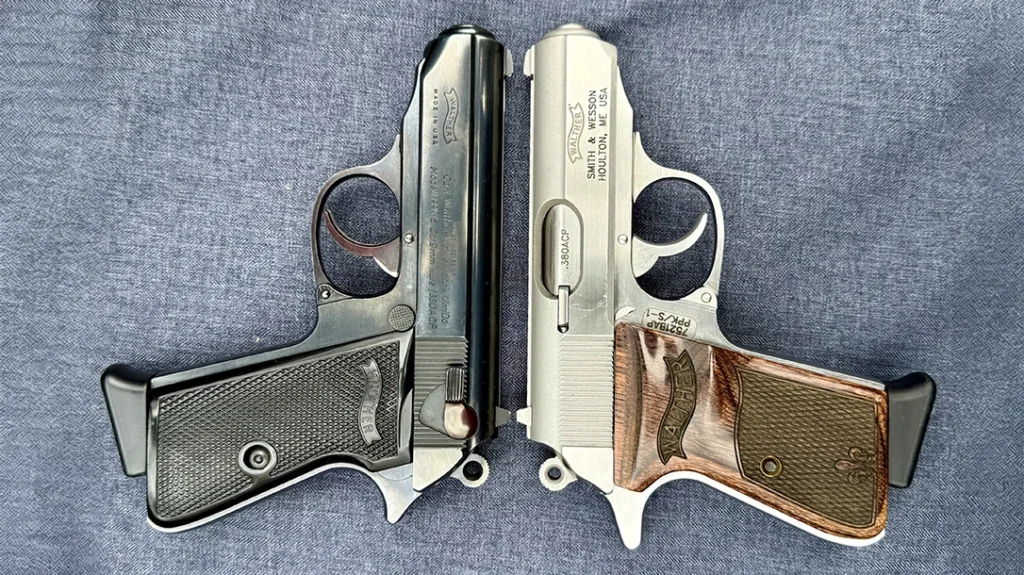
Walther U.S. then returned to directly producing the PPK/S (with the extended beaver tail) from 2018-2025. Currently, the Walther PPK/S is no longer in production.
Walther PPK in Popular Media and History
The Walther PPK’s first exposure to most people was likely as part of the German war machine from 1939-1945. It was widely known for its reliability and concealability and was the primary handgun of the German Air Force (Luftwaffe officers), German police officers, and high-ranking party officials. For example, a Walther PPK was the firearm used by Adolf Hitler to commit suicide in 1945.
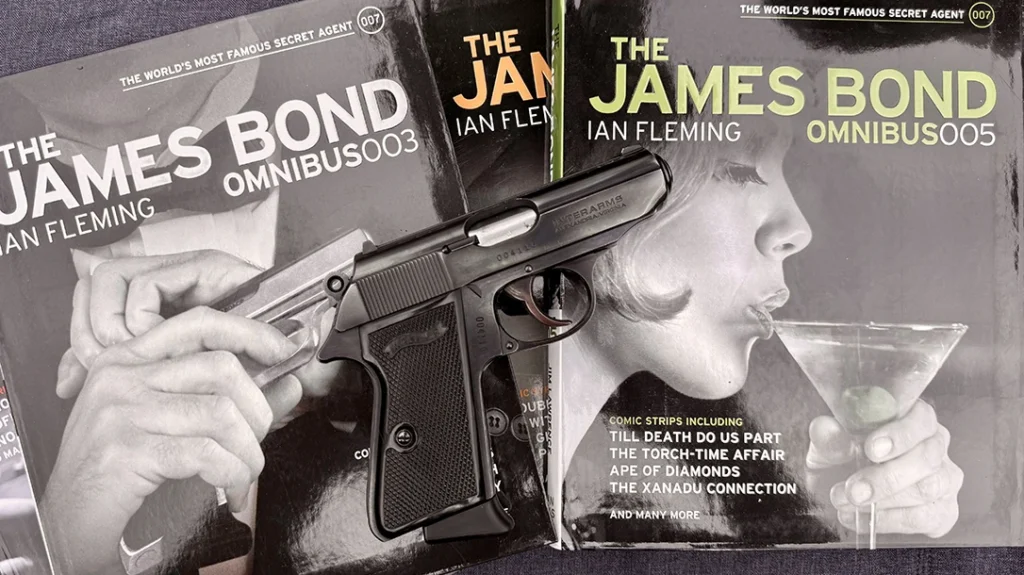
Although the PPK already had a historical reputation, its true fame was due to fiction. The Walther PPK became the primary handgun of the fictional British secret agent James Bond (007) in the series of books (1953-1966) by Ian Fleming. Bond famously switched to the Walther PPK in the novel Dr. No, released in 1958.
Dr. No was the sixth book in the series. Previously, James Bond had used a Beretta 418 chambered in .25 ACP. The change was the result of a renowned firearms expert, Geoffrey Boothroyd. He suggested the change to Fleming based on the reliability, concealability, and “stopping power” of the PPK.
The PPK has been featured in over 380 movies, and the PPK/S in close to 40. However, the Walther PPK is still undoubtedly best known as the primary firearm of James Bond. Famously, the first James Bond film, Dr. No, released in 1962, featured an early scene in which Bond relinquished his Beretta for a Walther PPK.
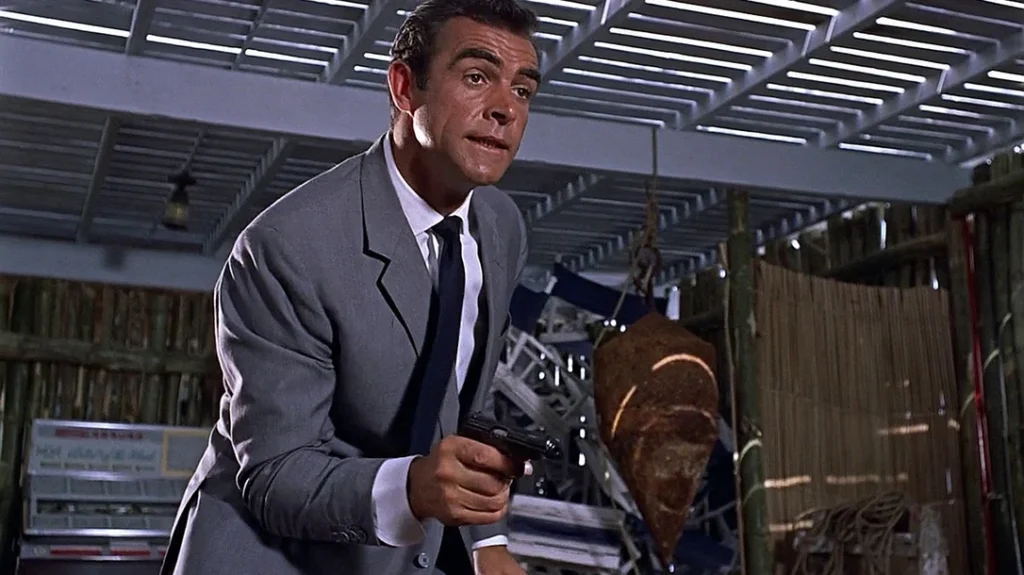
The film Version of Bond used a Walther PPK (or claimed to use one) for all but three of the films in the series. (Pierce Brosnan used the Walther P99 chambered in 9mm for the last three of his four films). Some films, including Dr. No, specifically referenced the Walther PPK as the gun of choice. However, the firearm shown is another gun (a Walther PP, for example, in Dr. No).
Comparing Various Versions of the Walther PPK/S
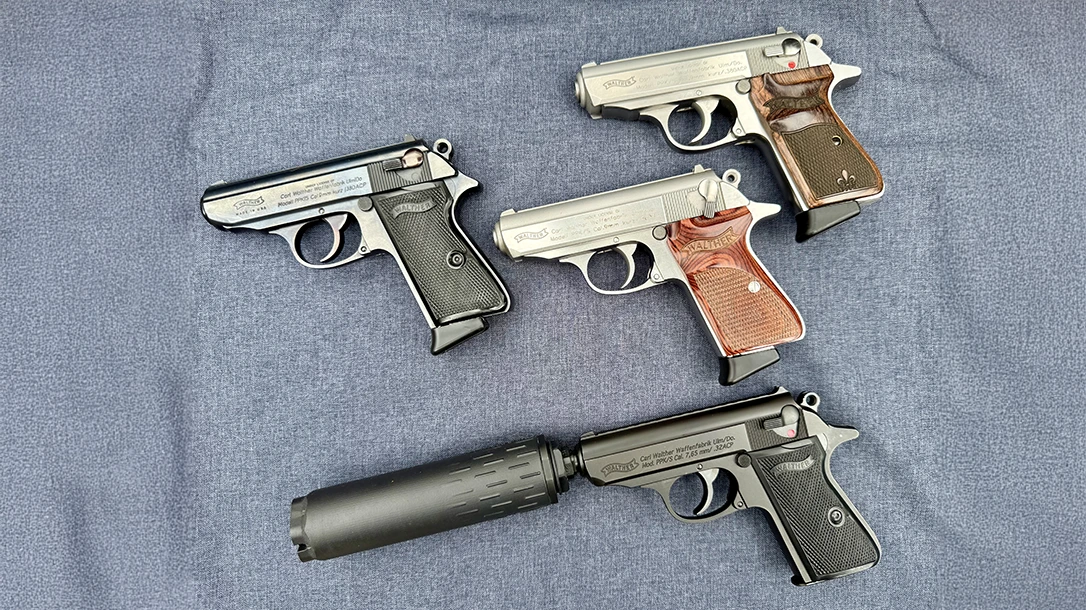
I have Walther PPK/S models, ranging from the mid-1980s to my most recent edition, the Walther-made PPK/S in .32 Auto. I wanted to compare the various models and review the latest Walther-made version.
Table 1 (below) contains the comparison stats for the various models, including the Walther PPK/S suppressed. This table includes caliber, unloaded weight, length, height (with a flat magazine), average feet-per-second velocity of full-metal-jacket (or ball) ammunition, and calculated power.
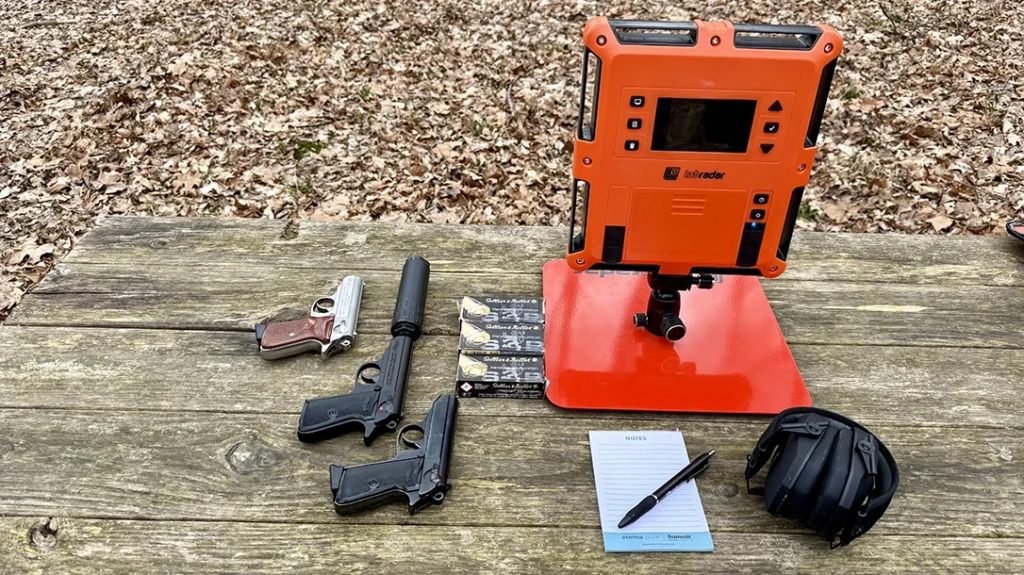
The Walthers varied from 64.39 to 71.38 in power calculations. By comparison, James Bond’s original Beretta 418 in .25 ACP had an average power of 32.50, and Pierce Brosnan’s Bond using a 9mm Walther P99 had an average power of 120.75.
The Walther PPK/S in .32 Auto
Shortly before Walther announced they would discontinue making the Walther PPK/S in 2025, I was fortunate enough to purchase a Walther-made PPK/S with a threaded barrel chambered in .32 Auto. This checked off two items from my “list.”
First, though I owned and carried a PPK/S from the late 1980’s onward, I had never owned one manufactured by Walther. Second, I always wanted one with a threaded barrel to emulate the suppressors used by a certain British secret agent. Overall, I was pleased with the purchase as the fit and finish of the Walther-made PPK/S was perfect.
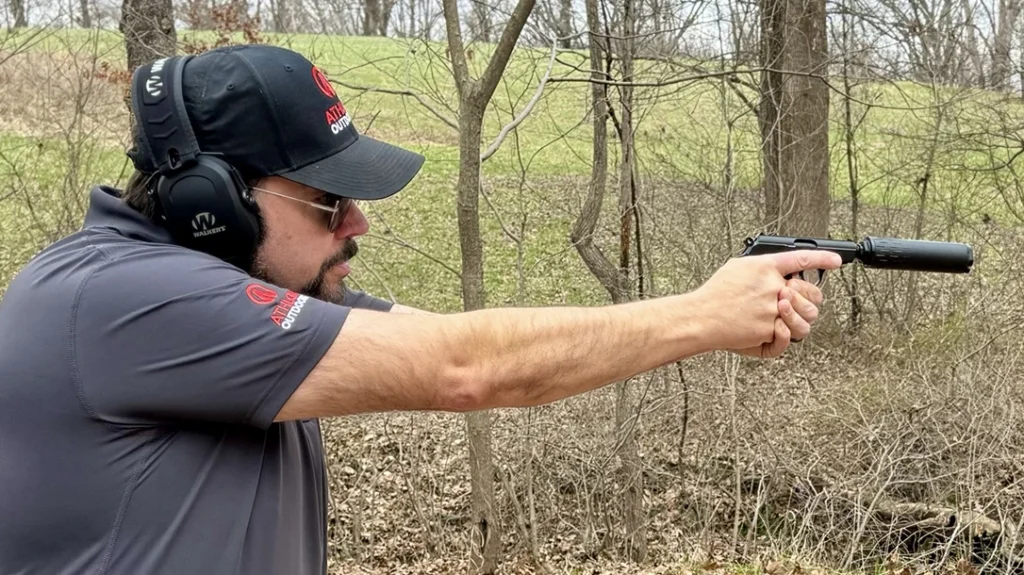
All of the Walther PPK/S models I owned were reliable and easy to maintain. There were no surprises with this newest PPK/S. I have shot roughly 1000 rounds through it so far with no malfunctions. Additionally, though the sights are simple, it is still a remarkably accurate gun.
Though currently out of production, the Walther PPK/PPK/S has been in production for almost a century. The estimated number is near half a million. Thus, PPK/S will likely remain available in secondary markets for years to come, and of course, may see yet another future release, especially if featured in the next series of James Bond films. Only time will tell.
Walther PPK/S Comparisons
| Caliber | Weight1 | Length | Height2 | FMJ Gr Wt. | FPS3 | Power4 | |
| Interarms PPK/S | .380 Auto | 23.1 | 6.1 | 4.2 | S&B 92 Gr. | 769 | 70.75 |
| S&W PPK/S | .380 Auto | 24.4 | 6.3 | 4.2 | S&B 92 Gr. | 877 | 80.68 |
| Walther PPK/S | .32 Auto | 23.4 | 6.3 | 4.1 | S&B 73 Gr. | 882 | 64.39 |
| Walther PPK/S Suppressed5 | .32 Auto | 32.2 | 12.2 | 4.1 | S&B 73 Gr. | 978 | 71.39 |
1 Unloaded with an empty magazine inserted
2 Flat magazine inserted
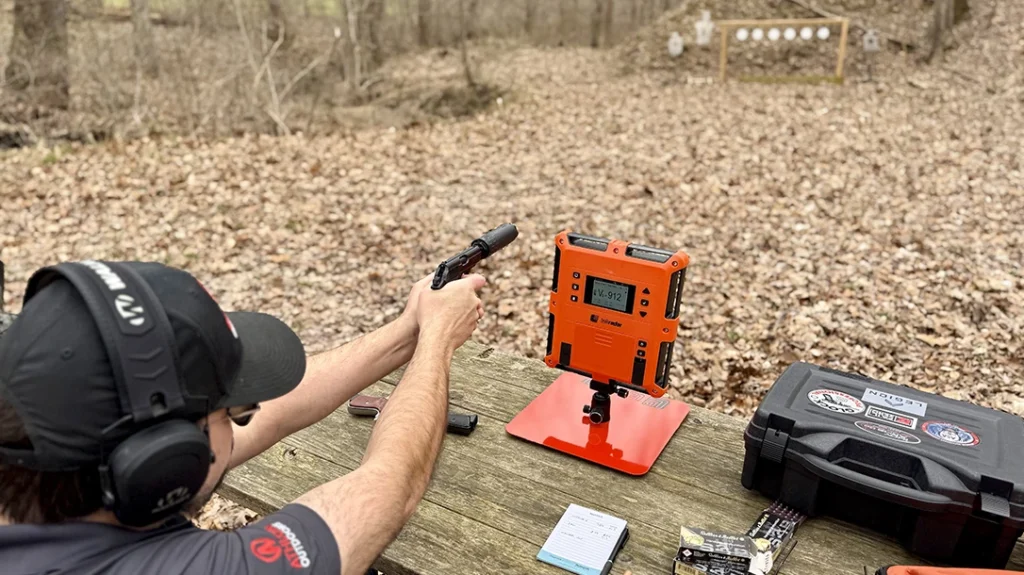
3 Measured with a LabRadar system, averaged over 10 shots
4 Grain weight multiplied by velocity in FPS divided by 1000
5 Huxwrx Flow 9mm
WHY OUR ARTICLES/REVIEWS DO NOT HAVE AFFILIATE LINKS
Affiliate links create a financial incentive for writers to promote certain products, which can lead to biased recommendations. This blurs the line between genuine advice and marketing, reducing trust in the content.
The post History of the Walther PPK/S: Model Comparison and Review appeared first on Athlon Outdoors Exclusive Firearm Updates, Reviews & News.